How Often Should You Get Screened for Oral Cancer?
Adults ages 20 to 39 are generally advised to get an oral cancer screening at least every three years, while adults 40 and older should be screened every year. People with higher risk factors may need more frequent checks. The easiest way to stay on track is to have a screening during your routine dental exams.
Oral cancer often develops quietly, without pain or obvious symptoms in its early stages. That is why regular screenings are one of the best ways to protect your health. Many dentists in Sterling, VA, include this quick exam as part of your routine checkup. Here is how often you should be screened and what you can expect during your visit.
How Often Should You Get an Oral Cancer Screening?
The right screening schedule depends mainly on your age and personal risk factors. General guidelines provide a helpful starting point for most adults. Your dentist can then adjust your schedule based on your health history.
Adults Ages 20 to 39
Adults in this age group are typically advised to be screened at least every three years. Since many people already see their dentist twice a year, screenings often happen even more frequently. This regular attention helps catch changes early.
Adults 40 and Older
The risk of oral cancer increases with age, so annual screenings are recommended after 40. A yearly exam allows your dentist to compare changes over time. It is a simple step that can make a meaningful difference.
When You May Need More Frequent Screenings
Certain habits and health factors raise your risk of oral cancer. Your dentist may suggest closer monitoring if you:
- Smoke, vape, or use chewing tobacco
- Drink alcohol heavily
- Have a history of HPV infection
- Spend long hours in the sun without lip protection
- Have had oral cancer or precancerous lesions before
What Happens During a Screening?
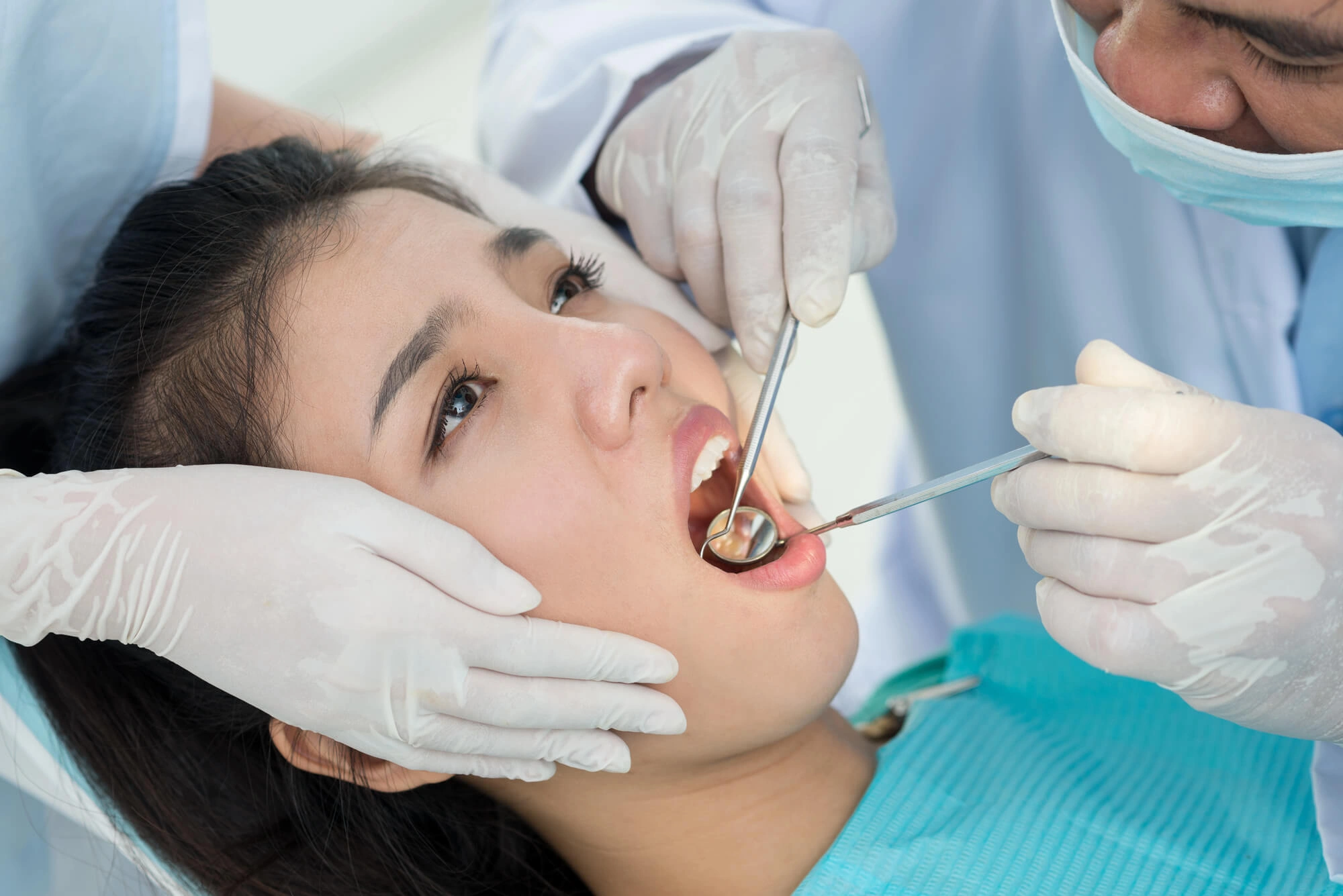
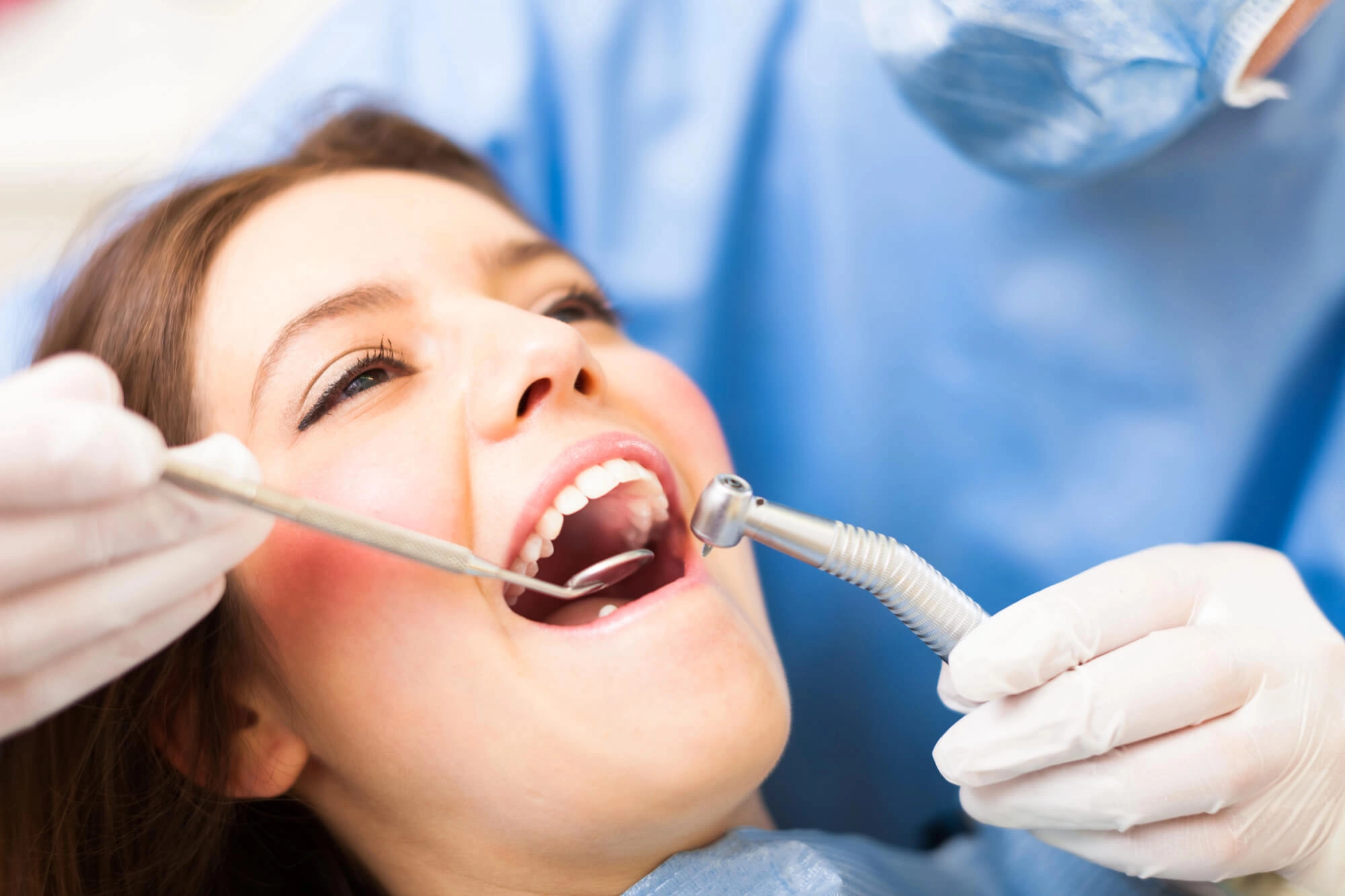
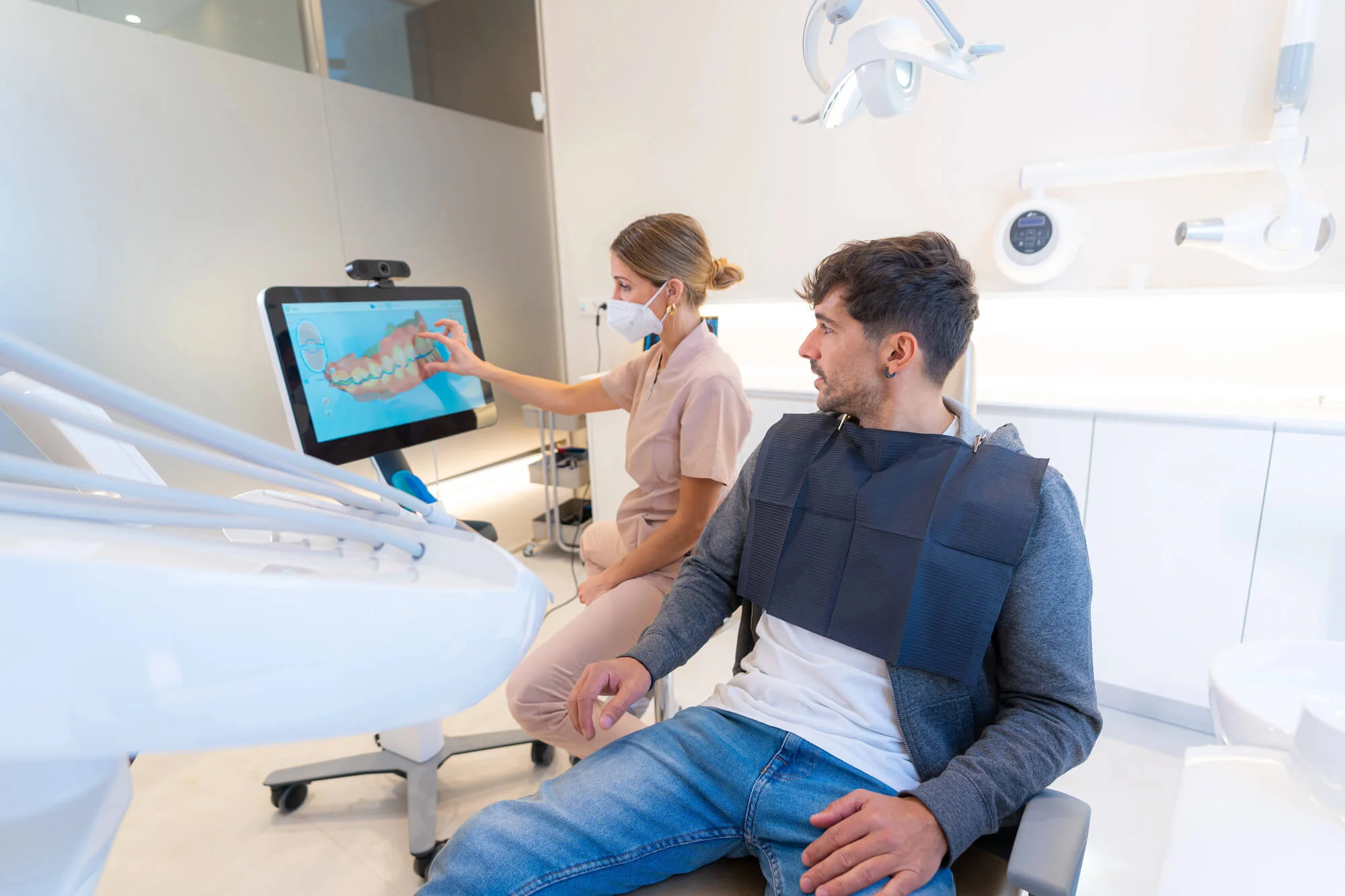
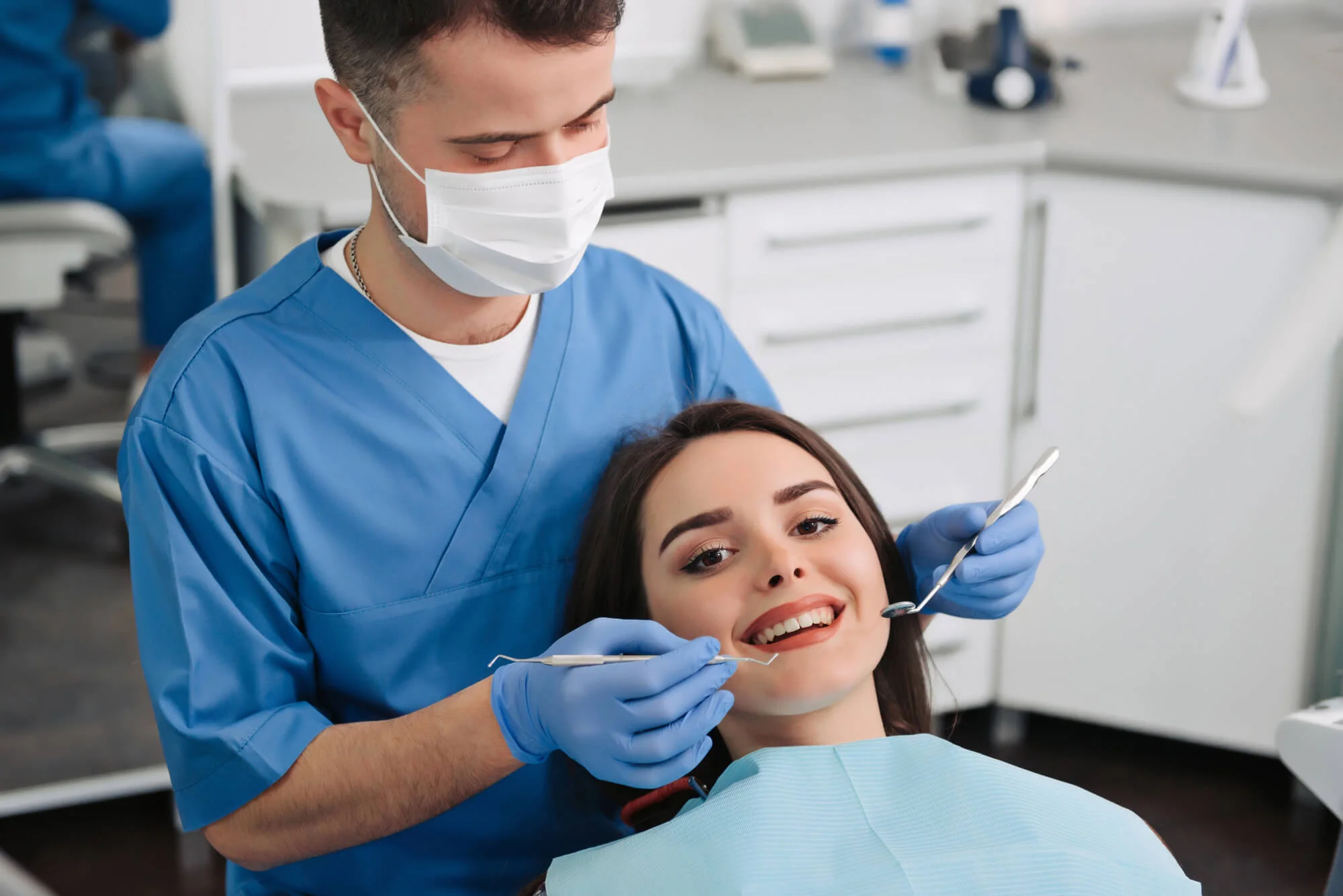
An oral cancer screening is quick, painless, and usually done during a regular dental exam. Your dentist will look at and gently feel your lips, tongue, cheeks, gums, roof of your mouth, and throat. The goal is to spot anything unusual that may need a closer look.
Warning Signs Your Dentist Looks For
Red or White Patches
Red patches or white, gray, or pink areas that fail to heal can signal concerning changes. A hardened, slightly raised white or gray patch called leukoplakia may also appear. Some of these patches can become cancerous if left untreated.
Lumps and Sores
Your dentist will check for lumps, thickened tissue, or soreness in the mouth and throat. Sores that bleed easily or heal slowly are also important to note. These signs do not always mean cancer, but they should be evaluated.
Frequently Asked Questions
Does an oral cancer screening hurt?
No, the exam is quick and painless. Your dentist simply looks at and gently feels the tissues in your mouth and neck. Most screenings take only a few minutes.
Do all dentists perform oral cancer screenings?
Screenings are typically part of a standard dental exam. You can always ask your dentist to confirm if one is included. Regular checkups make staying on schedule easy.
What should I do if I notice a sore that won't heal?
Contact your dentist if a sore or patch lasts longer than two weeks. Early evaluation is always the safest choice. Do not wait for your next scheduled visit.
Schedule Your Screening With Trusted Dentists in Sterling, VA
Early detection gives you the best chance of successful treatment and peace of mind. Our team includes oral cancer screenings as part of thorough, caring dental exams. Contact Lowes Island Dentistry today to book your next appointment and stay one step ahead of your oral health.