Who Is a Good Candidate for Dental Implants?
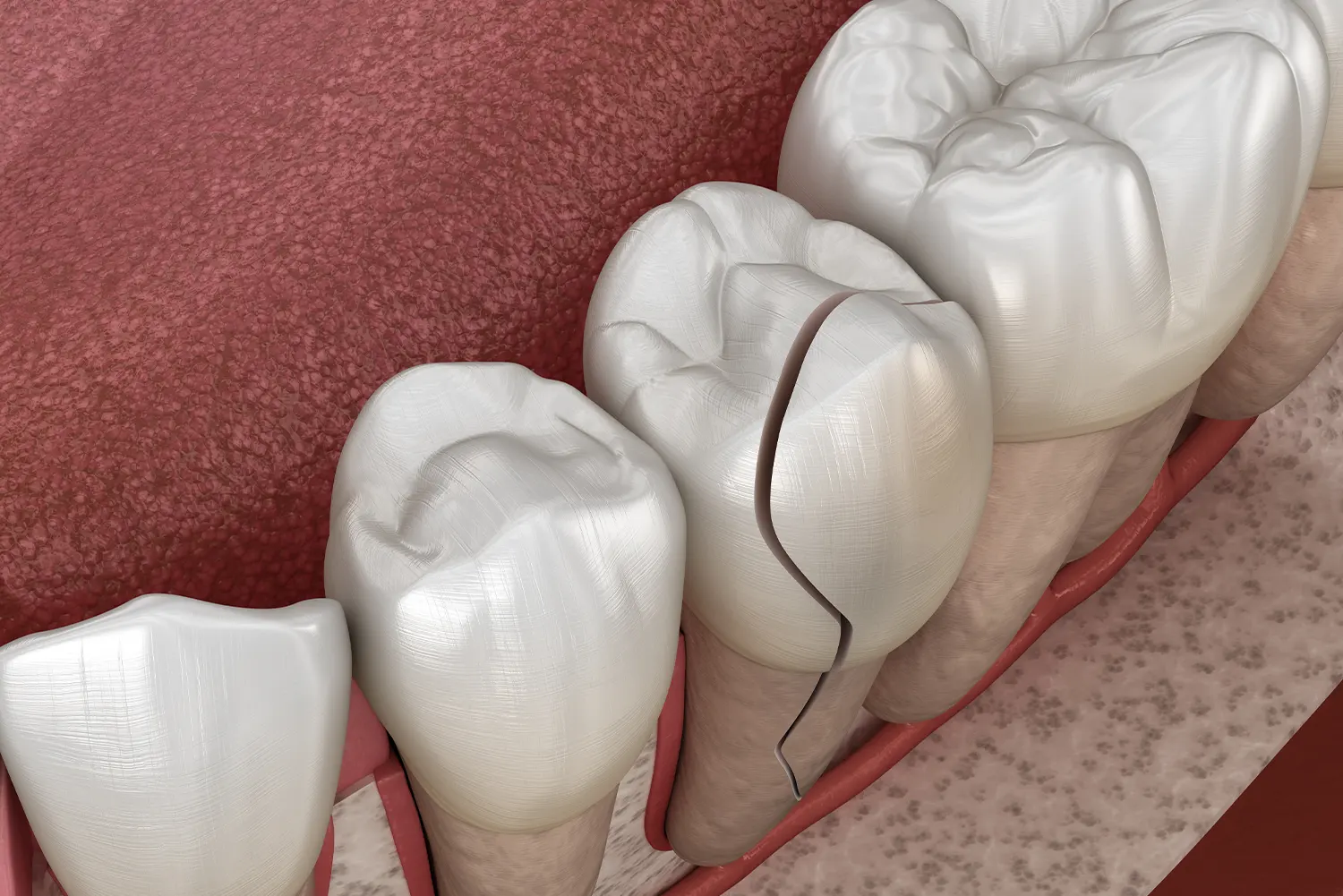
A missing tooth rarely stays a simple gap. Over time, nearby teeth begin to shift, chewing pressure changes, and the jawbone in that area starts to weaken.
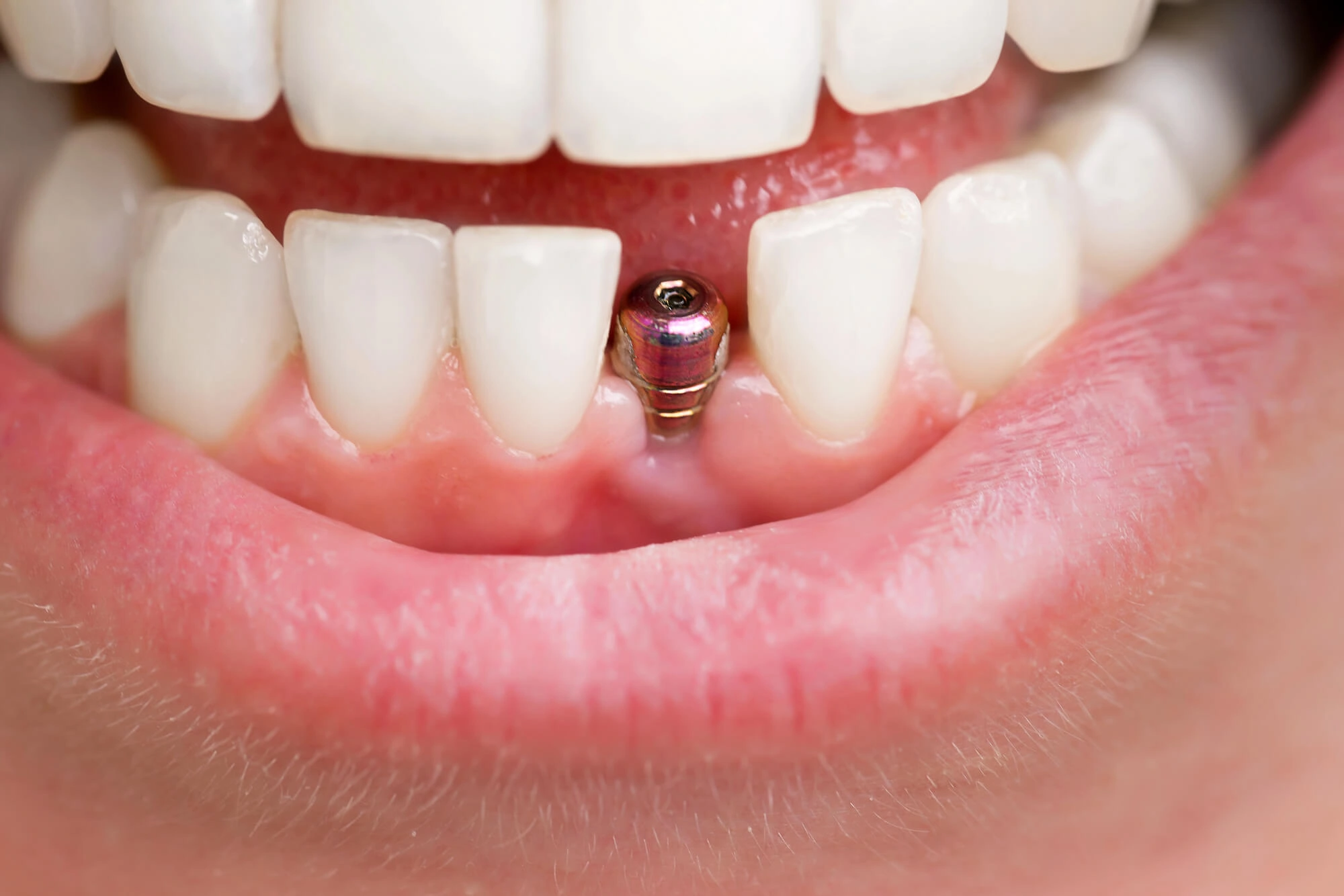
Dental implants in Sterling, VA, address these changes by replacing the tooth from the root up, helping restore both function and stability. Even so, many patients hesitate to ask about implants because they assume eligibility is limited.
Learning what determines dental implant candidacy can help separate common misconceptions from reality and make the decision process feel far more approachable.
Why Candidacy Matters
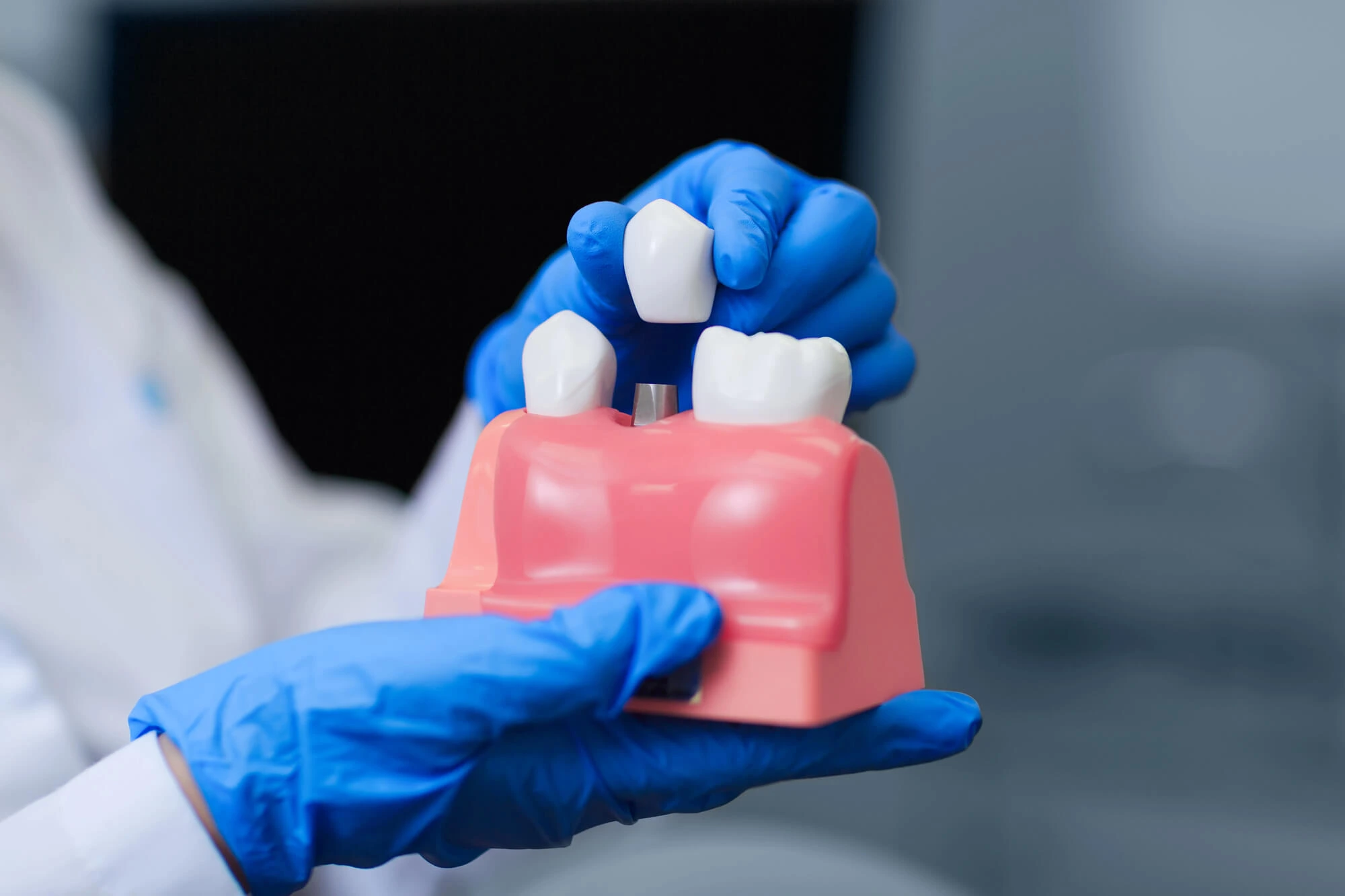
Dental implants are designed to function like natural tooth roots. Because they are placed directly into the jawbone, they require the right conditions to heal properly and remain stable.
While many adults qualify for implants, others may need preparatory care before moving forward. A thorough evaluation helps ensure the best possible outcome.
Common Traits of Good Dental Implant Candidates
Healthy Gums
Active gum disease can weaken the tissues surrounding an implant and increase the risk of complications. Patients with gum concerns may still qualify once treatment improves gum health.
Adequate Jawbone Density
The jawbone supports the implant and keeps it secure. Bone loss does not automatically rule out implants, as procedures like bone grafting can rebuild lost structure and improve eligibility.
Good Overall Health
Conditions that affect healing like uncontrolled diabetes, autoimmune disorders, or medications that affect bone healing may require additional planning, but many patients can still proceed with the right care and monitoring.
Lifestyle Factors That Affect Eligibility
- Smoking: Tobacco use can slow healing and increase the risk of implant complications. Quitting or reducing smoking before and after the procedure improves outcomes.
- Oral Hygiene: Brushing, flossing, and regular dental cleanings help keep gums healthy and prevent infection around the implant.
- Diet and Nutrition: A balanced diet supports healing and bone health, which are essential for implant integration.
- Follow-Up Commitment: Attending post-surgery checkups and maintenance visits ensures implants stay secure and healthy over time.
- Alcohol Consumption: Excessive alcohol can affect healing. Moderating intake during recovery is recommended.
Age and Dental Implants
Age alone rarely determines candidacy. Dental implants can work well for older adults who maintain good oral and overall health. For younger patients, jaw development must be complete before implants are placed.
In most cases, long-term oral health matters far more than age when considering implant treatment.
Situations Where Extra Planning Is Needed
Some patients need additional preparation before receiving dental implants, such as those with:
- A history of gum disease
- Significant bone loss
- Chronic health conditions
- Changed bone structure after years of tooth loss
Advances in dental technology and treatment techniques now allow more patients to qualify than ever before.
The Best Way to Know for Sure
Many people are surprised to learn they already qualify for dental implants, or that simple steps can help them become candidates. The most reliable way to find out is through a professional evaluation.
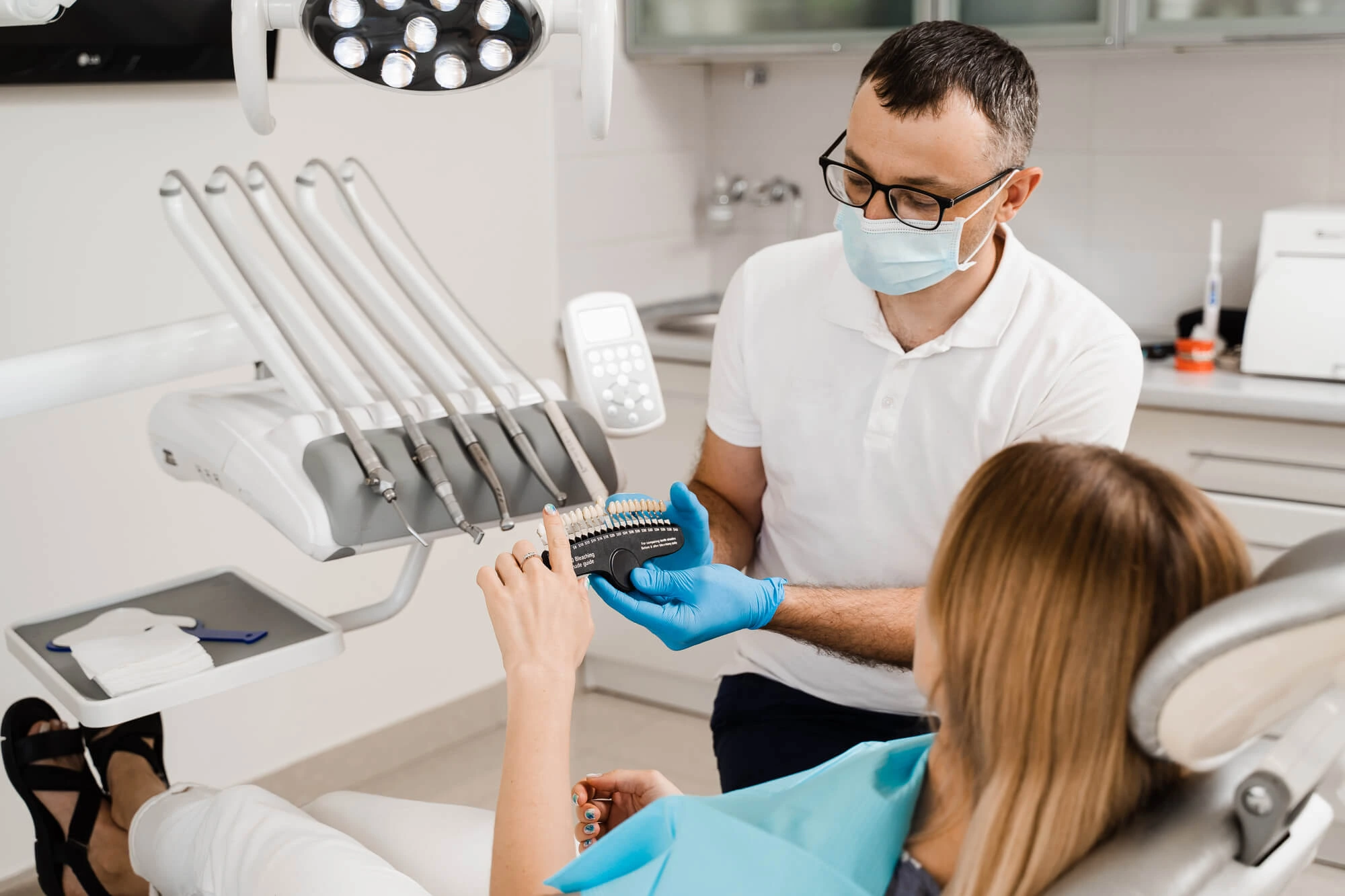
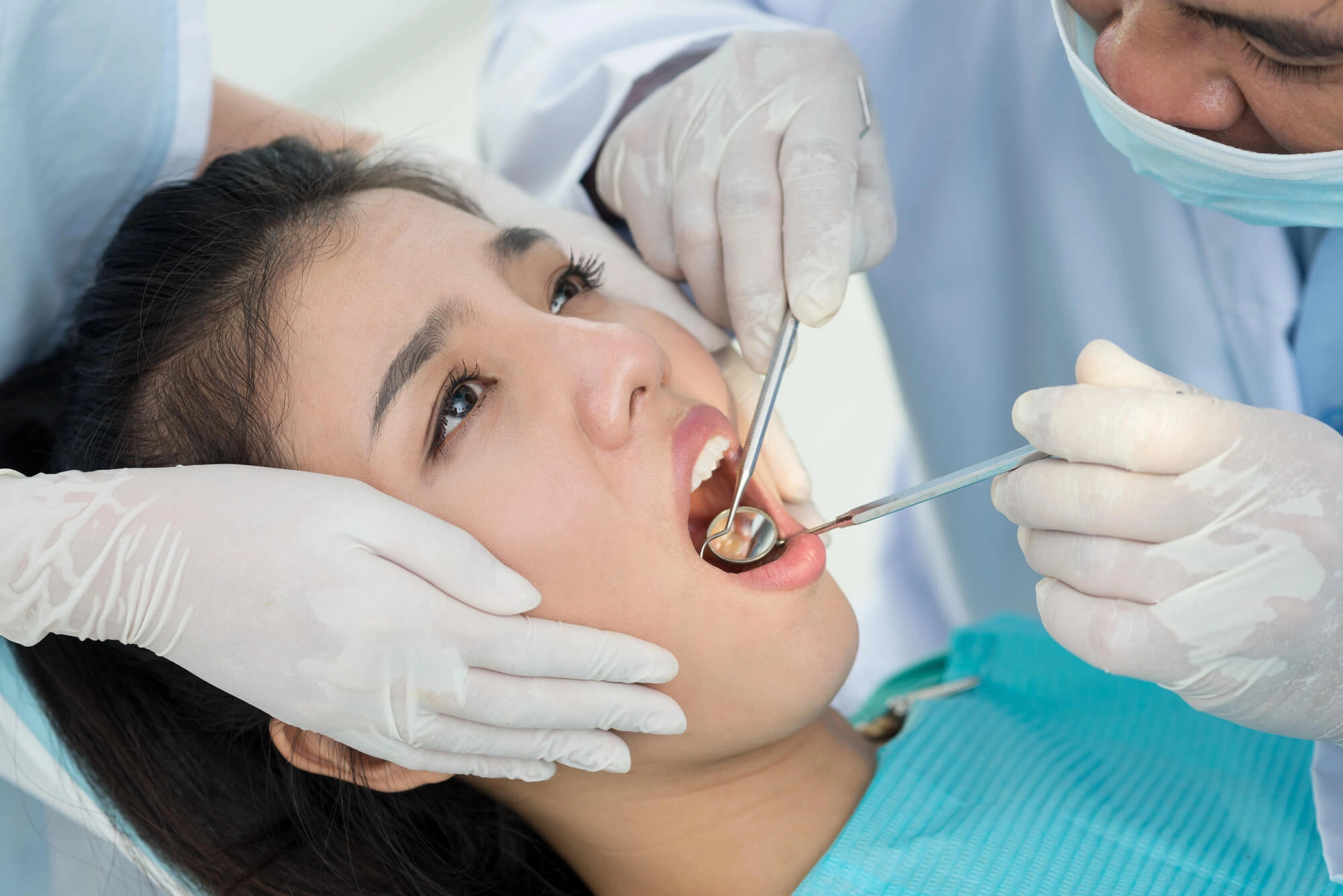
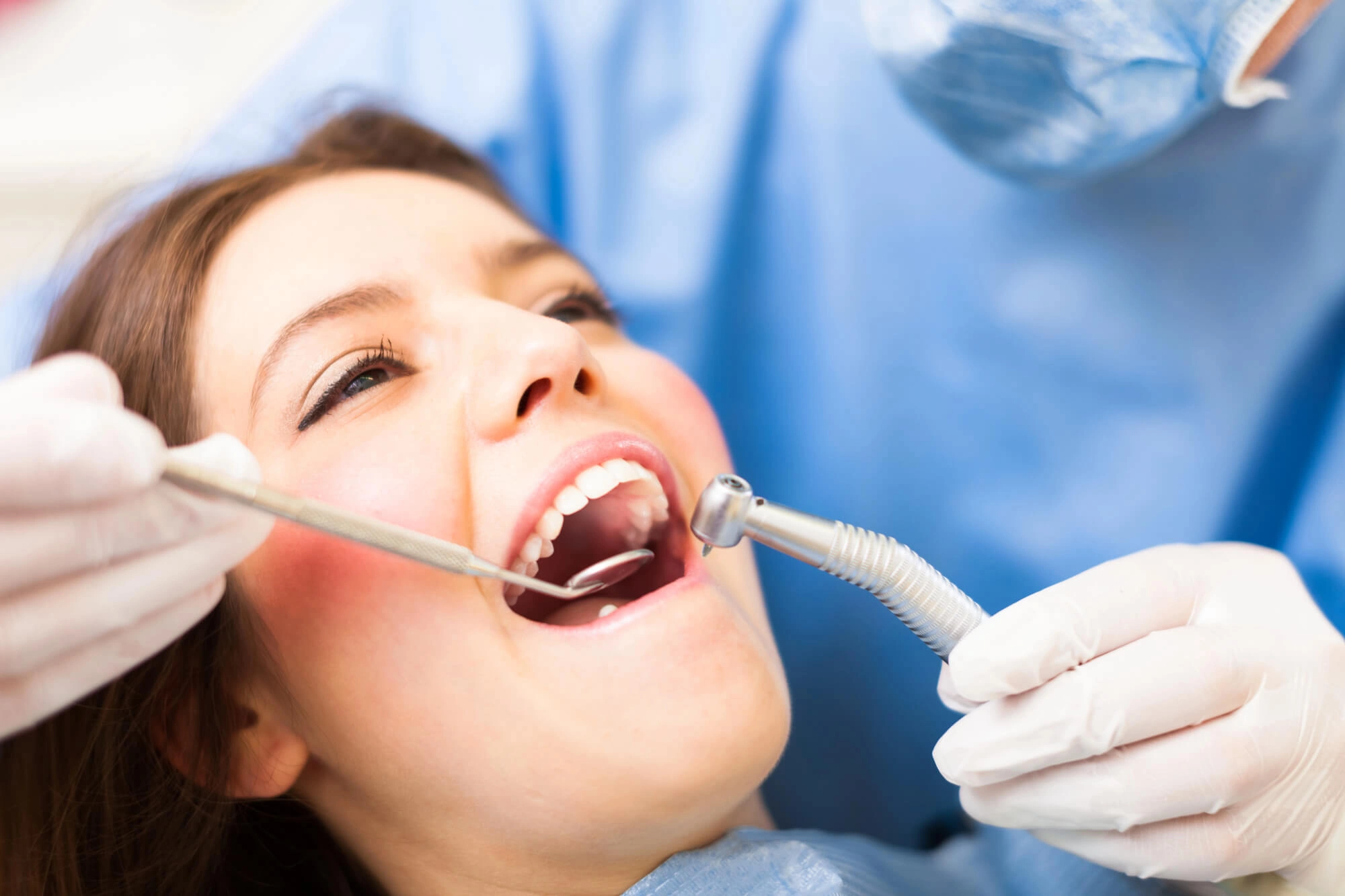
An implant consultation includes a detailed exam, digital imaging, and a discussion of your dental history and goals. With this information, the dentist can assess bone levels, gum health, and suitability for implants.
From there, a personalized treatment plan is created to address both immediate needs and long-term oral health.

Enhance Your Smile with Dental Implants in Sterling, VA
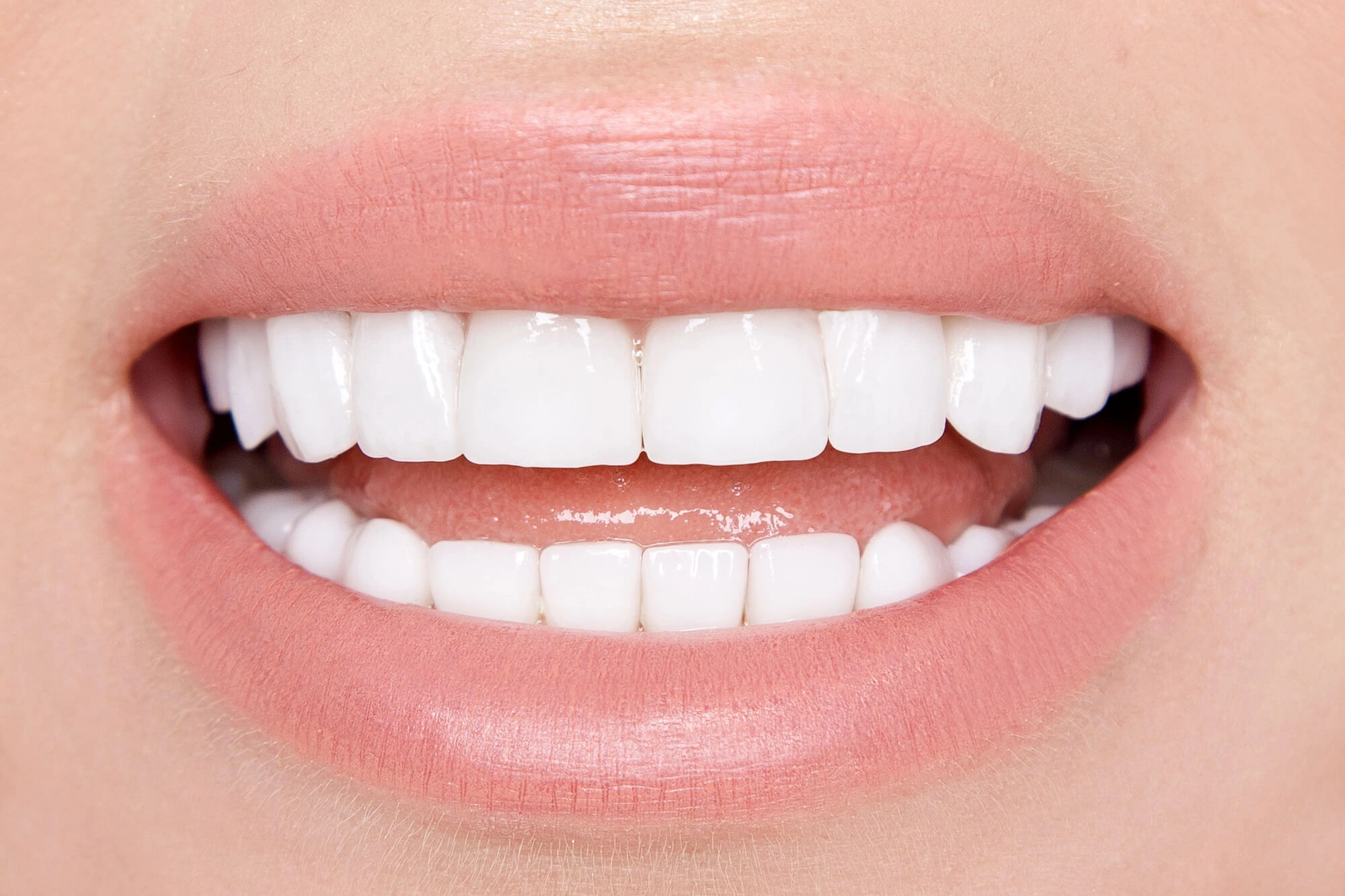
If you are considering dental implants or other restorative dentistry options, contact Lowes Island Dentistry to schedule an appointment. Our team is happy to help you explore solutions that support a strong, healthy smile for years.



.webp)
.webp)
.webp)